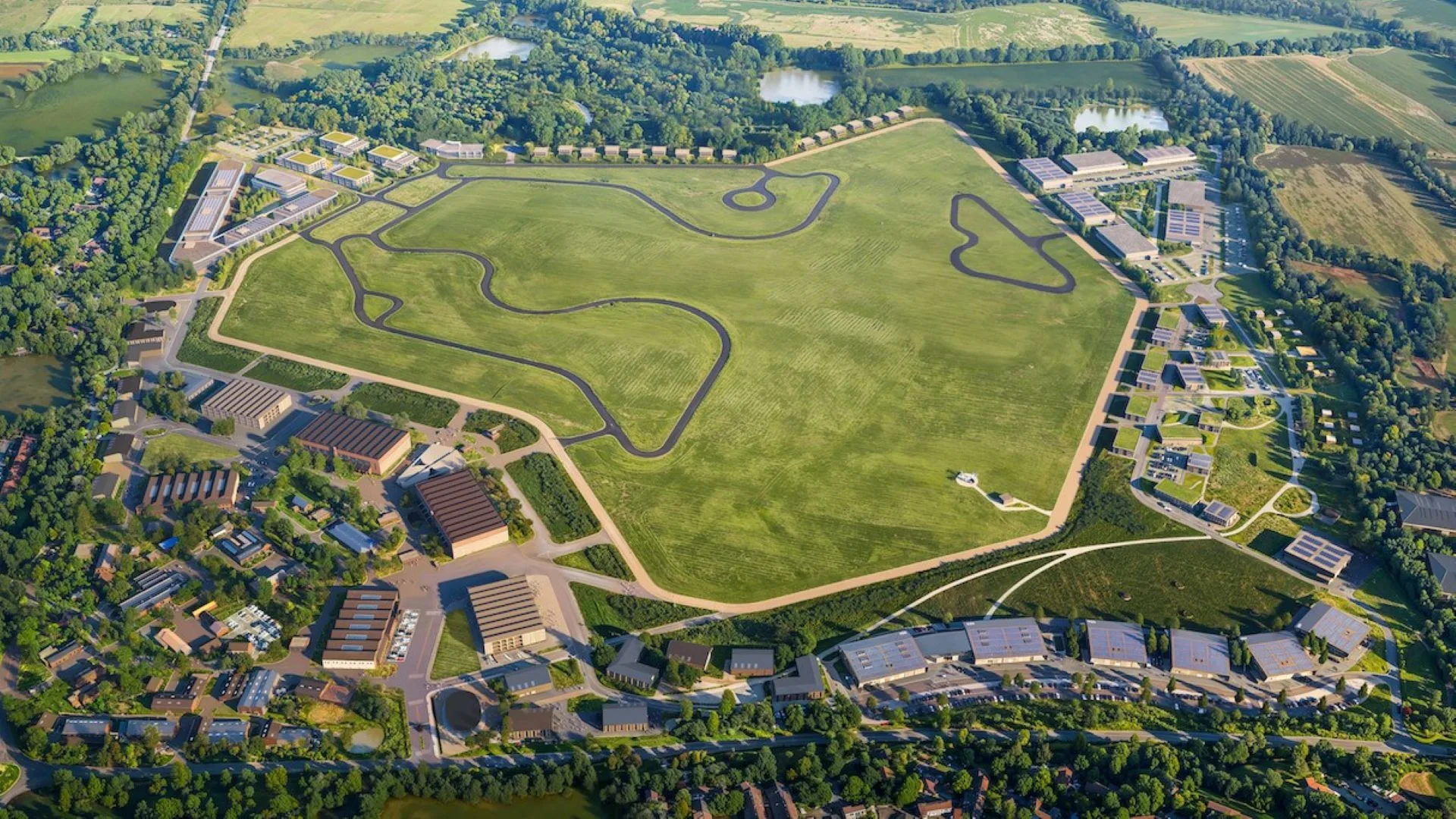
Bicester Motion has submitted the first phase of plans for a proposed £1 billion, 10-year expansion of its 444-acre estate, setting out a vision for one of Oxfordshire’s largest specialist mobility and innovation clusters.
The outline planning applications submitted to Cherwell District Council would collectively deliver around 1.44 million sq ft (133,780 sq m) of new commercial floorspace, alongside approximately 200 apartments, supporting amenities, enhanced biodiversity and sustainable travel infrastructure.
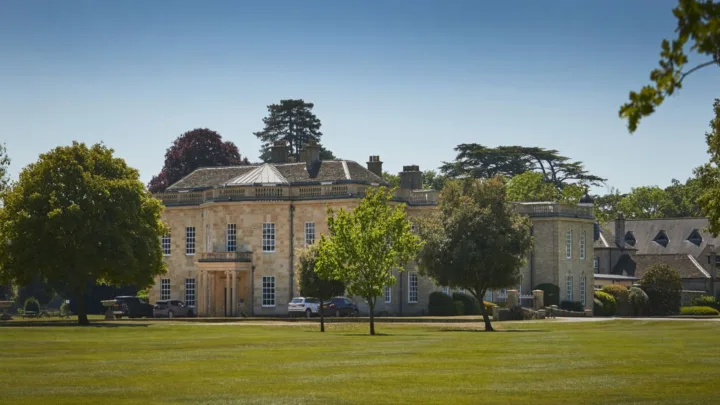
The proposals represent the next stage in the development of the former RAF Bicester site, which Bicester Motion says has received around £100 million of investment over the past decade and is now home to more than 50 mobility businesses employing over 500 people.
Four areas of development
Three outline applications have now been submitted, covering distinct parts of the proposed masterplan.
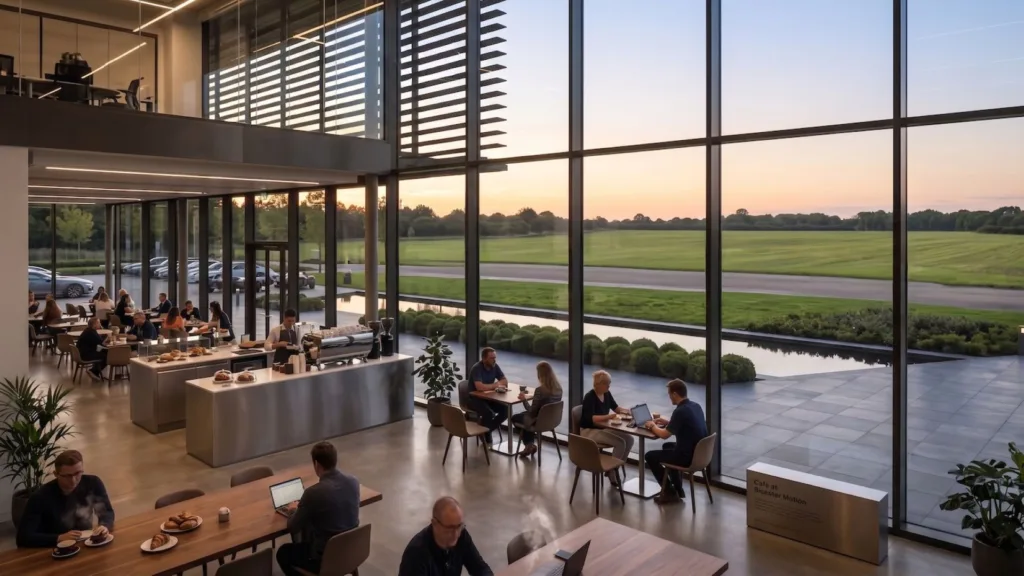
The largest is The Rushes, which would provide approximately 475,275 sq ft of commercial, demonstration, hospitality and customer engagement space. The public-facing destination is intended to give automotive and mobility brands space to showcase new technologies and products.
A second application, Command Works Phase 2, proposes approximately 167,000 sq ft of flexible employment space between YASA’s new headquarters at The Ranges and the existing Bicester Heritage area.
The space is intended to accommodate the expansion of businesses already based at Bicester Motion, as well as new companies joining the site’s growing innovation community.
Meanwhile, Motion Living would introduce around 200 low-rise, low-density apartments, including affordable housing, providing what Bicester Motion describes as a sustainable live-work community for people working within the estate.
A fourth application for The New Technical Site is being finalised and is expected to be submitted separately. It would provide approximately 506,140 sq ft of research, development and scale-up space for mobility, engineering and technology businesses.
Together, the four areas would create a substantial new employment and innovation campus while adding a residential element to the wider estate.
Thousands of jobs forecast
Bicester Motion says the wider masterplan could create approximately 5,600 construction jobs and an estimated 7,600 operational jobs, subject to planning approval and delivery of the proposals.
The company also estimates that the completed masterplan could contribute £1.19 billion in gross value added to the UK economy each year.

Those figures are projections associated with the proposed development rather than guaranteed outcomes, with the individual schemes now subject to the planning process.
The plans come as Bicester continues to develop its position within the so-called Motorsport Valley and the wider Oxford-Cambridge Growth Corridor, with the estate increasingly focused on automotive, engineering, aviation and future mobility technologies.
Consultation shapes next phase
The applications follow a public consultation involving local residents, businesses and other stakeholders.
Bicester Motion says feedback received during the consultation has helped shape the submitted proposals and will continue to influence later stages of the masterplan.
Daniel Geoghegan, chief executive of Bicester Motion, said the submissions marked an “important milestone” in the site’s evolution.
He said the proposals would provide a framework for businesses to establish, scale and remain in Oxfordshire while supporting local skills and employment and respecting the heritage and landscape of the former airfield.
The masterplan has been designed by Ridge and Partners, which has worked with Bicester Motion on the site’s development for more than a decade.
Planning decision now lies ahead
The applications have been submitted in outline, meaning they establish the broad principles of development rather than final detailed designs. Further reserved matters applications would be required if planning permission is granted.
For Bicester, the proposals could have implications well beyond the estate itself, potentially affecting employment, housing, transport, investment and the town’s role within Oxfordshire’s growing technology and innovation economy.
The applications will now be considered by Cherwell District Council as part of the statutory planning process.